
22 May 2026
5 Disadvantages of Vinyl Plank Flooring You Need to Know
Thinking about luxury vinyl plank (LVP) for your home? Read our guide on the hidden problems and disadvantages of vinyl plank flooring before you buy.
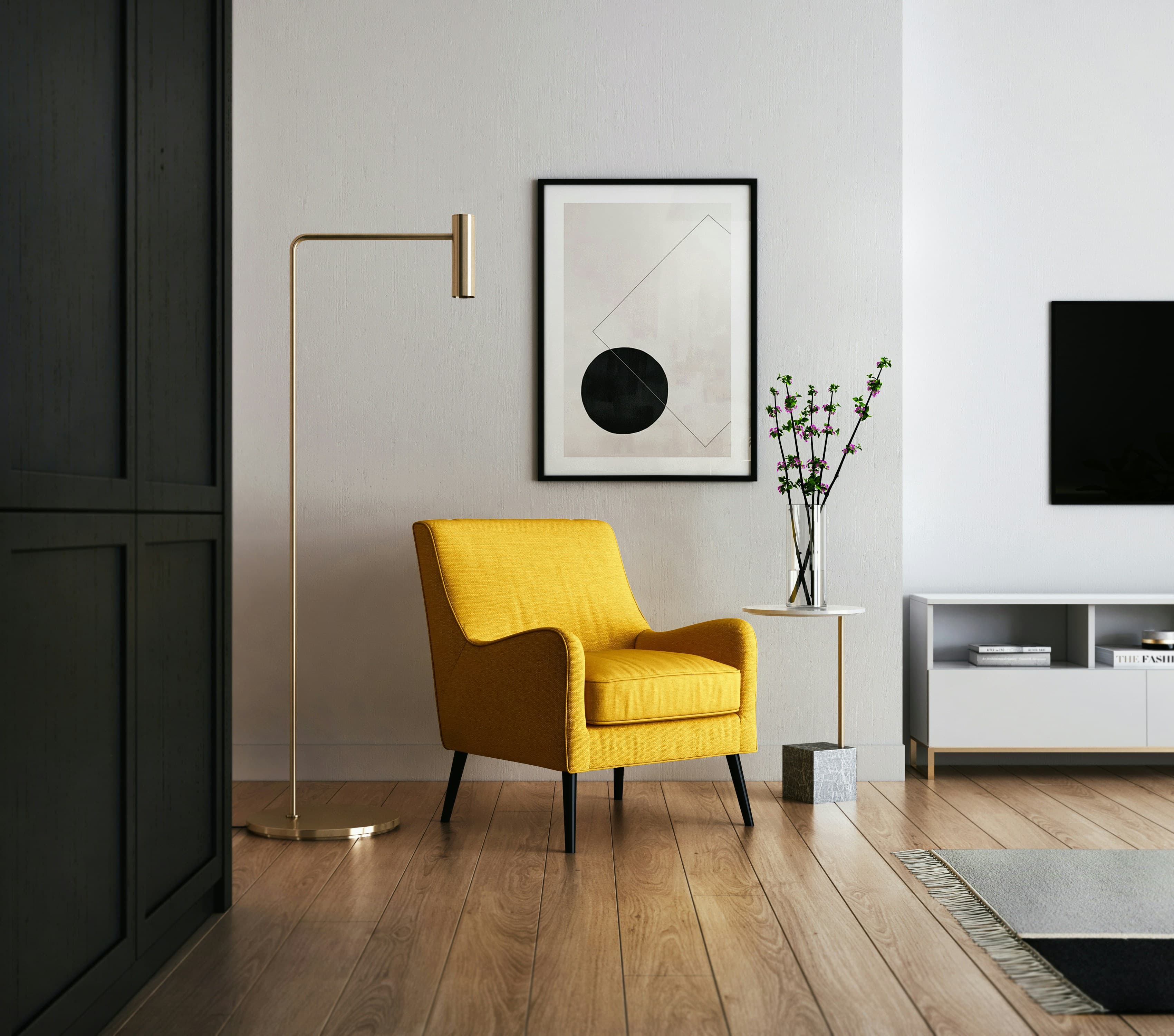
Luxury Vinyl Plank (LVP) has been a staple in Australian homes for decades. It is affordable, highly durable, water-resistant, and offers fantastic timber-look visuals.
However, while salespeople are quick to point out the benefits, it's crucial to understand the drawbacks before committing to a purchase. If you are renovating, here are the 5 main disadvantages and problems with vinyl plank flooring that you need to consider.
1. Strict Subfloor Requirements (The Telegraphing Effect) #
Standard luxury vinyl planks are thin and highly flexible. Unlike rigid hybrid flooring, vinyl planks will mould themselves to the shape of whatever is underneath them.
If your concrete subfloor has tiny imperfections, bumps, cracks, or dips, the vinyl plank will eventually contour to show those imperfections right through to the surface. This is known in the industry as "telegraphing".
To prevent this, your subfloor must be flawlessly smooth. In almost all cases, this requires the floor to be flooded with a self-levelling compound prior to installation, which can add significant unexpected costs to your renovation budget.
2. Vulnerability to Extreme Heat and Sunlight #
Vinyl is a thermoplastic, meaning it reacts to temperature. In the harsh Australian climate, this can be a problem.
If you have large, unshaded windows that allow direct, baking sunlight to hit your vinyl floor for hours, the planks can expand, warp, or lift at the seams. While high-quality vinyl is stable, extreme heat can still cause the adhesive glue to soften, leading to shifting or "peaking" planks.
Solution: If you have large north or west-facing windows, you may need to ensure you have heavy blinds, or consider a more stable product like SPC Hybrid Flooring.
3. Susceptibility to Scratches and Dents #
While vinyl flooring is incredibly tough and highly resistant to tearing, it is not completely bulletproof.
- Denting: Because the material is relatively soft, heavy furniture with narrow legs (like a loaded bookshelf, a piano, or a heavy dining table) can leave permanent indentations in the vinyl over time.
- Scratching: Sliding heavy appliances (like a fridge or washing machine) across a vinyl floor without protection can tear or deeply scratch the wear layer.
4. It Cannot Be Refinished #
Unlike solid hardwood flooring, which can be sanded back and re-polished multiple times to look brand new, vinyl flooring is a finished product.
Once the wear layer is scratched or the printed decorative layer is damaged, it cannot be repaired or sanded. The only solution is to remove the damaged plank and replace it with a new one. (This is why we always recommend buying an extra box of planks during installation to keep in the garage for future repairs!).
5. Environmental and Resale Value Concerns #
Environmental Impact: Vinyl flooring is made from polyvinyl chloride (PVC), a petroleum-based plastic. It is not biodegradable, and recycling old vinyl flooring is notoriously difficult and rare. Furthermore, some lower-quality, imported vinyl floors can emit VOCs (Volatile Organic Compounds) into the air, though Australian standards are strict and high-quality brands are FloorScore® certified for low emissions.
Resale Value: While modern LVP looks fantastic and will certainly not hurt your home's value, it does not add the same premium resale value to a property as genuine solid timber, engineered oak, or natural stone.
Frequently Asked Questions #
Is vinyl plank flooring toxic? #
High-quality vinyl flooring sold by reputable Australian retailers is heavily regulated and entirely safe for your home. Always look for products that are "FloorScore Certified" or "Phthalate-Free," which guarantees they emit virtually zero harmful VOCs.
Does vinyl plank flooring look cheap? #
Not anymore! Ten or fifteen years ago, vinyl looked like shiny plastic. Today, advanced 3D embossing technology means luxury vinyl planks feature realistic wood grains, knots, and matte finishes that easily fool the eye into thinking it's real timber.
Is it better to glue down or float vinyl planks? #
For pure luxury vinyl planks (LVP), a direct-stick (glue-down) installation is generally best for longevity and acoustic performance. However, if you prefer a floating floor, you should look into Hybrid Flooring, which features a rigid core designed specifically for click-lock floating installation.
The Verdict #
Vinyl plank flooring remains an excellent, waterproof, and budget-friendly option for many homes. However, if your home has uneven subfloors or receives intense direct sunlight, you should carefully weigh these disadvantages and consider alternatives like hybrid or laminate flooring.