30 May 2026
Hybrid Flooring vs Engineered Timber Flooring: Which is Right for You?
Comparing hybrid flooring and engineered timber flooring? We break down the differences in cost, durability, water resistance, and aesthetics to help you decide.
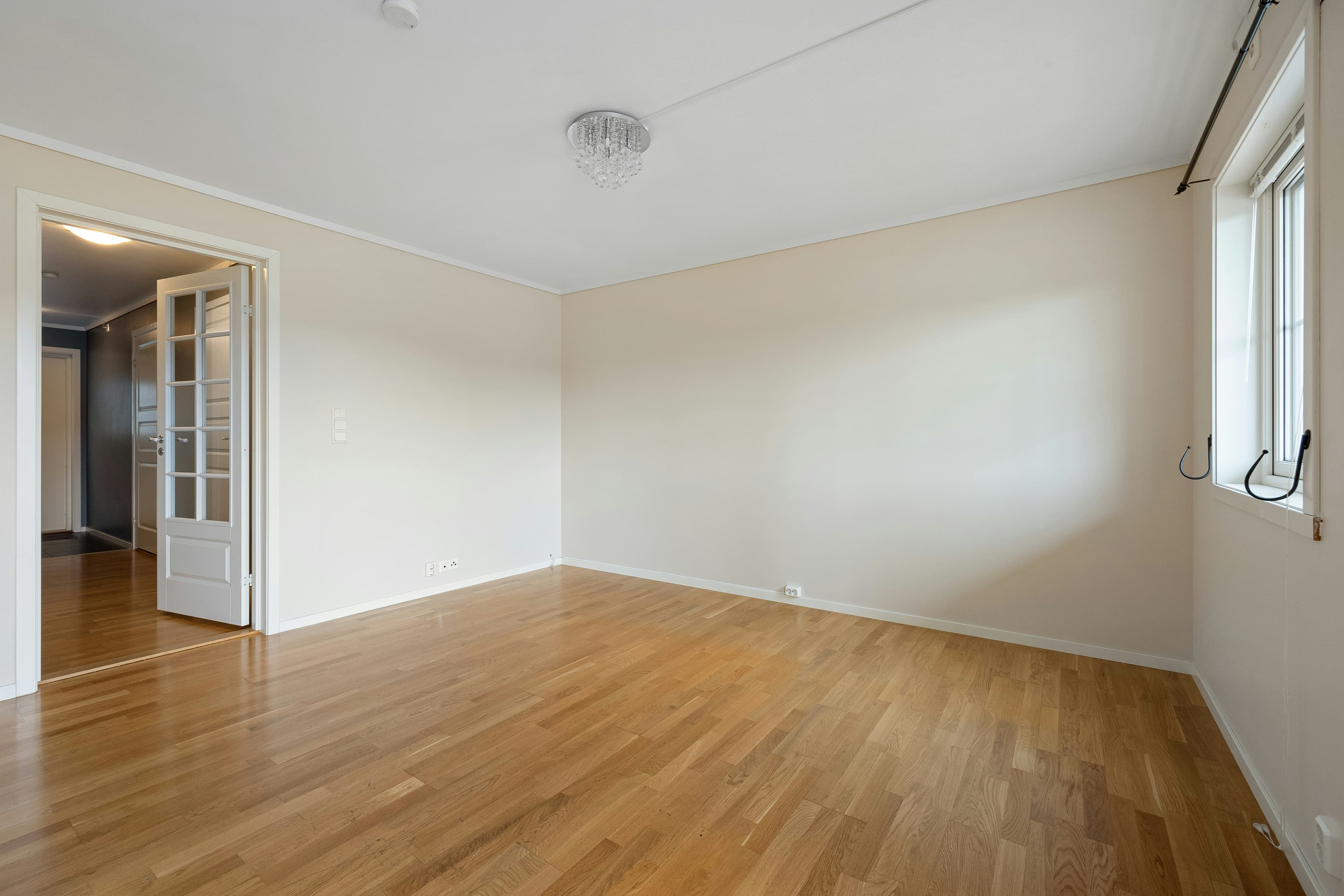
When renovating or building a new home, choosing the right flooring is one of the most important decisions you'll make. Two of the most popular options on the market today are hybrid flooring and engineered timber flooring.
Both options offer the beautiful look of natural wood, but they are made from entirely different materials and perform differently under daily wear and tear.
In this guide, we’ll compare hybrid and engineered timber flooring across key categories like water resistance, durability, cost, and aesthetics to help you make the best choice for your home.
What is Hybrid Flooring? #
Hybrid flooring is an innovative, multi-layered rigid floating floor that combines the best qualities of laminate and luxury vinyl plank (LVP). At its core, it features a stone plastic composite (SPC) or wood plastic composite (WPC) layer, topped with a high-definition decorative print layer that mimics real timber, and finished with a tough, clear wear layer.
What is Engineered Timber Flooring? #
Engineered timber flooring is made from real wood. It features a top layer (the veneer) of genuine hardwood bonded to multiple layers of plywood or high-density fibreboard (HDF) underneath. This construction makes it much more stable and less prone to warping than solid timber, while still providing the authentic look and feel of real wood.
1. Water Resistance #
Winner: Hybrid Flooring
If water resistance is your top priority, hybrid flooring is the clear winner. Because it is made with a synthetic core (usually SPC), hybrid flooring is 100% waterproof. You can confidently install it in wet areas like kitchens, laundries, and even bathrooms without worrying about spills, leaks, or mopping.
Engineered timber, on the other hand, is made of real wood. While its multi-layered core makes it more resistant to moisture than solid timber, it is not waterproof. Spills must be wiped up immediately, and it is not recommended for bathrooms or laundries.
2. Durability and Scratch Resistance #
Winner: Hybrid Flooring
Hybrid flooring is designed for busy, high-traffic households. Its commercial-grade wear layer is incredibly tough, making it highly resistant to scratches, dents, and stains. It’s an excellent choice if you have large dogs, young children, or simply want a low-maintenance floor.
Engineered timber is softer and more susceptible to scratches, dents from dropped objects, and wear from pet claws. However, one advantage of engineered timber is that depending on the thickness of the top veneer, it can be sanded back and refinished once or twice during its lifetime to look brand new again—something you cannot do with hybrid flooring.
3. Aesthetics and Feel Underfoot #
Winner: Engineered Timber Flooring
While modern hybrid flooring features incredibly realistic high-definition prints and textured surfaces, it is still a synthetic reproduction. If you look closely over a large area, you may notice repeating grain patterns.
Engineered timber is genuine wood. Every single plank is unique, offering an organic, natural beauty, warmth, and character that synthetic floors simply cannot replicate. It also feels warmer and softer underfoot and provides a more premium acoustic sound when walked upon.
4. Cost and Installation #
Winner: Hybrid Flooring
Hybrid flooring is significantly more budget-friendly than engineered timber. Not only are the materials cheaper to manufacture, but installation is also generally less expensive. Hybrid planks use a click-lock system and come with pre-attached underlay, making them fast to install and very DIY-friendly.
Engineered timber is a premium product and carries a higher price tag. While it can also be floated using a click-lock or tongue-and-groove system, many homeowners choose to have it glued down directly to the subfloor for a more solid feel, which increases installation costs.
Summary: Which Should You Choose? #
Choose Hybrid Flooring if:
- You want a 100% waterproof floor for kitchens, laundries, and living areas.
- You have a busy household with kids and pets.
- You need a highly scratch and dent-resistant surface.
- You are working with a tighter budget.
Choose Engineered Timber Flooring if:
- You want the authentic, luxurious look and feel of genuine wood.
- You are installing in areas not prone to heavy moisture (like bedrooms and living rooms).
- You want a floor that can potentially be sanded and refinished in the future.
- You are looking to add maximum resale value to a premium home.
Still not sure which option is right for you? Visit the VicPark Floors showroom to see and feel both hybrid and engineered timber options in person. Our expert team is ready to help you find the perfect floor for your lifestyle and budget.