
20 May 2026
What is Hybrid Flooring? Pros, Cons, and Everything You Need to Know
What is hybrid flooring? We explain what it is, its pros and cons, and whether it's the right choice for your upcoming home renovation.
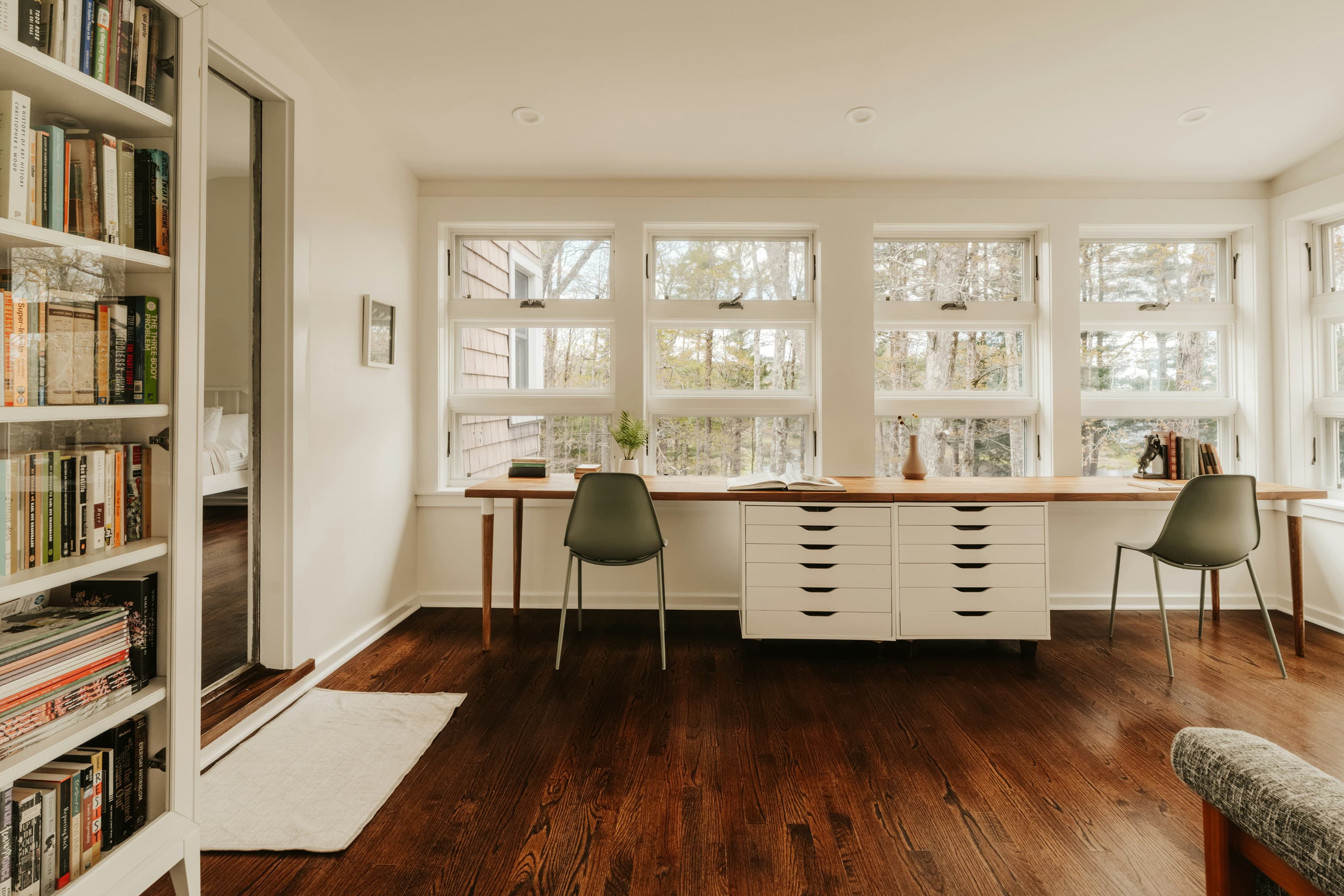
If you’ve started looking into new flooring for your home, you have almost certainly come across the term hybrid flooring. In just a few short years, it has completely taken over the Australian flooring market.
But what exactly is it? Is it just a marketing gimmick, or does it live up to the hype?
In this article, we answer the most common questions about hybrid flooring, exploring what it’s made of, its main advantages and disadvantages, and whether it’s the right fit for your home.
What is Hybrid Flooring? #
Hybrid flooring is a rigid floating floor that combines the best characteristics of two popular flooring types: laminate and luxury vinyl plank (LVP).
Manufacturers wanted to create a product that had the waterproof qualities of vinyl, but the rigid, scratch-resistant, and easy-to-install nature of laminate. The result is hybrid flooring.
A standard hybrid plank is made up of multiple layers:
- UV Coating: Protects against fading from the harsh Australian sun.
- Wear Layer: A clear, commercial-grade layer that provides incredible scratch and dent resistance.
- Decorative Print Layer: High-definition imagery that perfectly mimics real timber or stone.
- Rigid Core Board: The heart of the plank. It is usually made from either SPC (Stone Plastic Composite - limestone mixed with PVC) or WPC (Wood Plastic Composite - wood dust mixed with PVC). This core makes the plank rigid and 100% waterproof.
- Acoustic Underlay: Most premium hybrid planks come with a pre-attached foam or rubber underlay to reduce noise and provide a softer feel underfoot.
The Pros of Hybrid Flooring #
Why is hybrid flooring so popular? Here are its biggest advantages:
1. It is 100% Waterproof #
Unlike real timber or traditional laminate, hybrid flooring will not swell, warp, or buckle when exposed to water. This means you can install the exact same beautiful timber look in your living room, kitchen, laundry, and even the bathroom, creating a seamless flow throughout the house.
2. Extremely Durable and Scratch-Resistant #
The protective wear layer is incredibly tough. It stands up beautifully to high foot traffic, dropped toys, and the claws of large pets like dogs and cats.
3. Temperature Stability #
Traditional vinyl planks can expand in extreme heat (like direct sunlight through a large window), causing them to peak or lift. The rigid stone or wood composite core in hybrid flooring makes it highly dimensionally stable, meaning it easily handles harsh temperature changes.
4. Easy Installation (DIY Friendly) #
Hybrid planks feature a click-lock edge system. They don't need to be glued or nailed down; they simply click together and "float" over your subfloor. Because they can be scored and snapped with a utility knife, they are a favourite among DIY renovators.
The Cons of Hybrid Flooring #
No flooring is perfect. Here are the disadvantages you need to know:
1. Strict Subfloor Preparation #
Because hybrid planks are rigid, they will not bend to accommodate an uneven concrete slab. If your subfloor has dips or bumps, the click-lock joints of the hybrid flooring will bounce, flex, and eventually break. Your subfloor must be perfectly level (usually a tolerance of 2-3mm over 3 metres), which may require expensive self-levelling compound prior to installation.
2. The Feel Underfoot #
While the attached underlay helps, hybrid flooring is still a hard, rigid surface. It does not have the natural warmth, give, or acoustic softness of genuine solid timber or carpet.
3. Not Genuine Wood #
While high-quality hybrid flooring looks incredibly realistic, it is still a printed image. If you look closely, you will eventually spot repeating grain patterns across the floor, and it will never have the exact organic feel of real timber.
Frequently Asked Questions #
How long does hybrid flooring last? #
High-quality hybrid flooring can easily last 15 to 25 years in a residential setting. Many reputable brands offer 20-year to lifetime residential warranties on the wear layer and waterproof core.
SPC vs WPC Hybrid: What’s the difference? #
- SPC (Stone Plastic Composite): Made with limestone. It is thinner, heavier, denser, and more resistant to dents. It is the most common type of hybrid flooring in Australia.
- WPC (Wood Plastic Composite): Made with wood flour/dust. It is thicker, slightly softer underfoot, and slightly warmer, but marginally more susceptible to denting from heavy furniture.
Can hybrid flooring be laid over tiles? #
Yes! One of the biggest benefits of hybrid flooring is that it can often be laid directly over existing ceramic or porcelain tiles, provided the tiles are firmly attached and the grout lines aren't too deep or wide (wide grout lines may need to be skim-coated first).
Is Hybrid Flooring Right For You? #
If you have a busy household, kids, indoor pets, and you want a low-maintenance, waterproof floor that looks like real wood without the luxury price tag, hybrid flooring is an exceptional choice.
To see the quality for yourself, drop by the VicPark Floors showroom to view our extensive range of hybrid flooring options.